
Protecting our tītī
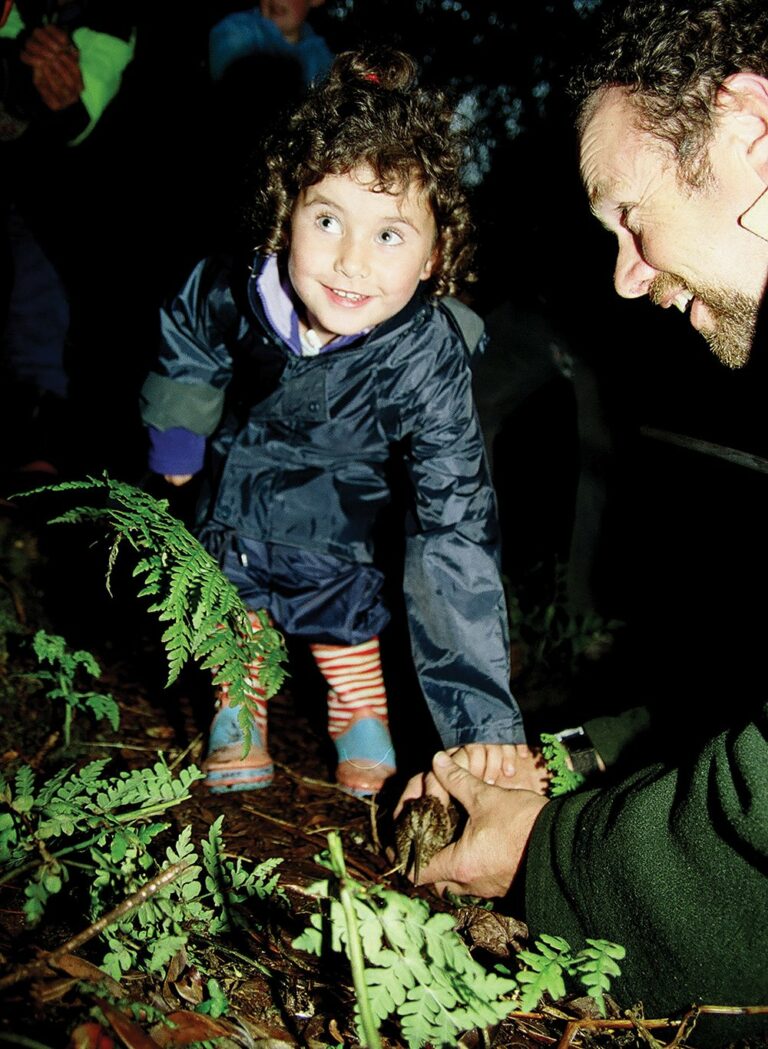
The Davis whānau of Murihiku are well-known as a staunch tītī whānau. Over the years they have poured time, energy, and resources into their taonga, determined to “walk the kaitiaki talk” by caring for their islands, and the many species that call (or have called) them home.
The measures they have taken to eradicate pest species are a crucial part of this.
Kaituhi Renata Davis revisits the mahi undertaken by his whānau and the wider tītī community, and issues a call for greater predator control throughout Aotearoa.
It’s no secret that European contact saw the intro-duction of all manner of invasive predators to the shores of Aotearoa (such as ship rats, Norway rats, mice, etc). It’s also no secret that these visitors had a massive effect on traditional Kāi Tahu food sources (kākāpō, kererū, and many other species that are now critically endangered). Not even the most remote corners of our takiwā were spared. Even at the isolated tītī islands, where muttonbirds (sooty shearwater chicks) are harvested, unwanted visitors made landfall from Rakiura and passing boats.
For years, the tītī community experienced the destructive power of introduced pests on their motu.
Tane Davis, chair of the Rakiura Tītī Islands Administering Body (RTIAB) and more importantly, my dad, recalls the nuisance caused by the kiore (rats) on our motu, Pūtauhinu. “Sometimes if you hadn’t secured your home properly you’d come back, and, hello, they’d been in the house. You had to scrub everything, throw things out. They’d mimi’d all over the place; chewed on stuff.”
Lania Edwards (née Davis, Ngāti Māmoe) recounts the effect of rodents on Rukawahakura (Joss’s Island off the east coast of Rakiura), and their attempts to keep the pests at bay. “As a kid, my job was to walk around the island and put poison into each trap. Dad continued to use traps and poison over the years hoping to eradicate them, but they always came back. We battled with the rats, but we couldn’t break through.”
The effect of the pests’ damage was devastating: “The numbers of tītī slowly declined each season, and eventually there was nothing to harvest. The parent birds had left, as their eggs had been eaten by the rats. I’m not even sure if any had the chance to hatch. There were rat holes beside practically every active burrow.”
Pete McClelland is an ecologist and long-time partner of the tītī community, as well as the former Te Papa Atawhai (Department of Conservation) Manager – Outlying Islands. He notes the negative impact invasive species have on the ecology of the islands, including on birds, invertebrates, and vegetation. “Without invasive species removal, the islands will never heal; and the impact will get greater as vegetation changes,” he says.
This article was originally published in Te Karaka in December 2017.